
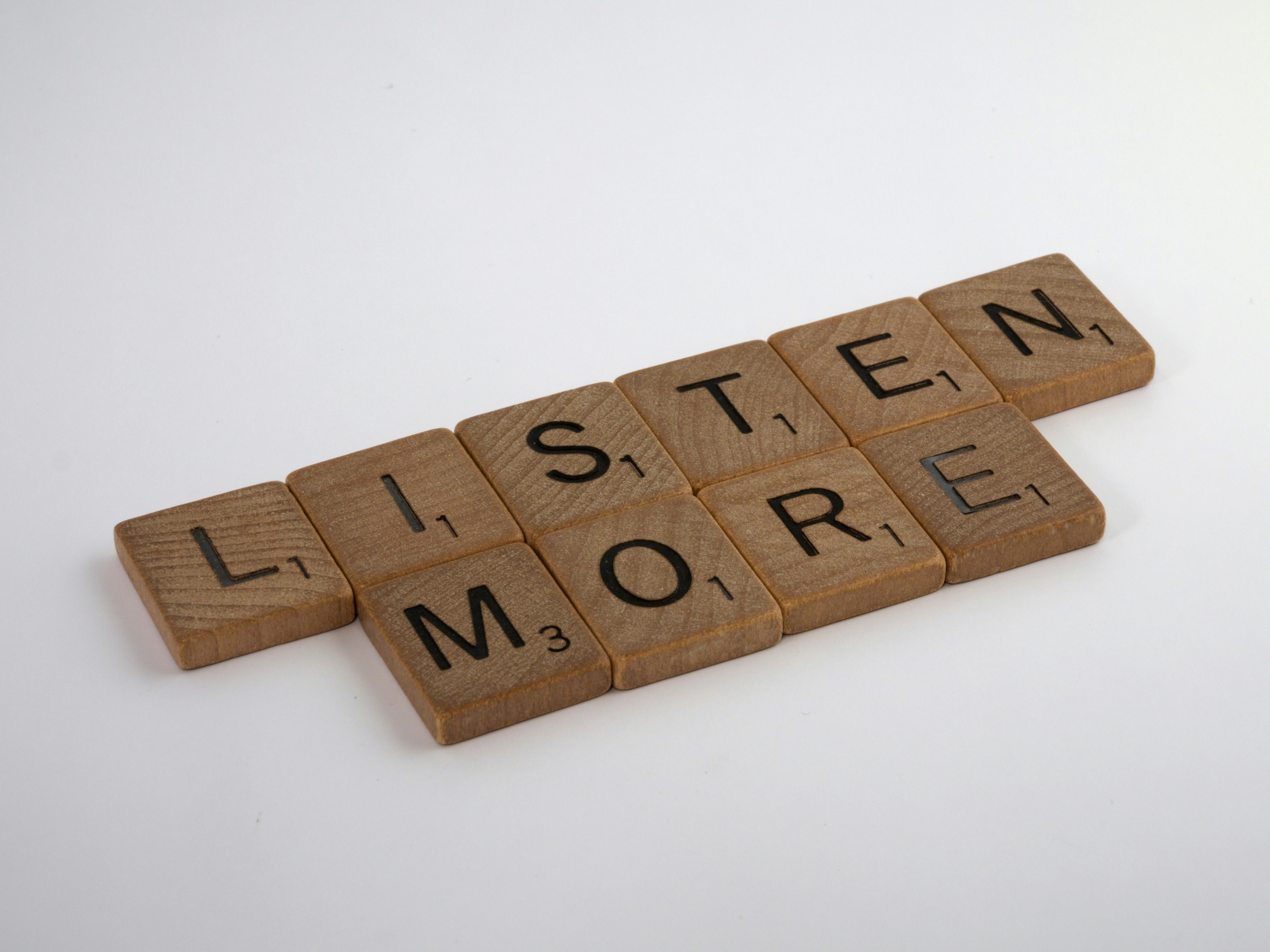
Dementia Support: Learning to Listen to Yourself

Developing effective communication skills when supporting someone living with confusion and declining cognitive and receptive skills is crucial for promoting well-being and minimizing conflicts. Persons living with dementia have difficulty processing information and understanding language, even in the early stage. Learning to “listen” and paying attention to our tone of voice, body language, and being mindful of our mood and attitude, can be more impactful than the words we use.
However, little attention is given to teaching family members to “listen” to themselves when communicating. When we learn how to recognize our tone of voice, mood and negative body language, we can avoid triggering an avoidable conflict.
Below are tips to promote positive interactions by paying attention to how we communicate:
- A hurried, frustrated tone and negative body language can signal impatience and actually increase the person’s anxiety.
- Using a lower-pitch voice and gentle tone can help reduce the person’s anxiety and confusion.
- Paying attention to how we response when the person with dementia’s memory is not accurate and shares inaccurate facts. Do we correct the person and cause shame, or validate their reality and build trust?
- Self-reflecting and perhaps recording a conversation with the person and “listen” to our word choices, attitude, and any possible signs of fatigue and frustration. Are we sarcastic with our responses or are we promoting respect and dignity toward the person?
Matching our tone to our words can create a calm and kind interaction. Practicing patience and compassion is difficult when feeling stressed and overwhelmed, but by “listening” to ourselves, we may find we are often the trigger to the conflict.
If you would like more information about our Memory Ministry, our Memory Cafe or Family and Friends Workshops, please contact Vicky at vpitner@firstumc.org